Brand communication
A positioning statement that makes a choice
A positioning statement is a working decision about audience, need and difference—not a sentence that must appear on your homepage.

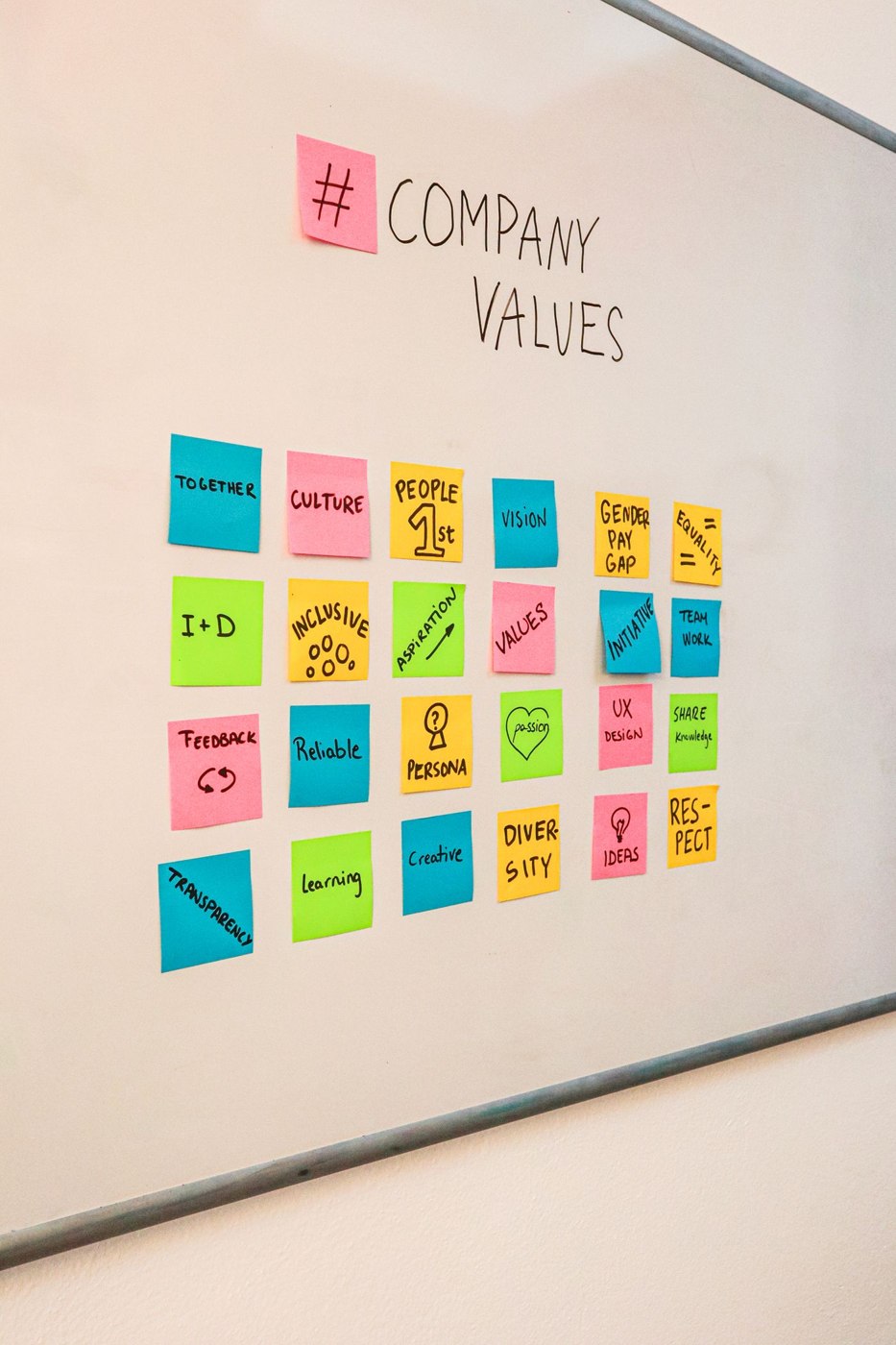
A positioning statement helps a team choose what to emphasise. It is not a slogan, a list of values or a promise to be everything a customer might want. Its value lies in the decisions it excludes. If the same sentence could describe a small accountancy practice, a bakery and a software company, it is probably describing an ambition rather than a position.
Start with a particular buying situation
Define the person making the decision and the situation that prompts it. ‘Small businesses’ is a market label. ‘Owner-managed businesses hiring their first employee’ describes a moment with recognisable questions. The second description gives a writer something to work with: uncertainty about what must happen next, limited time and a need to understand responsibilities.
That example is hypothetical. Its purpose is to show the level of specificity, not to suggest that every service should focus on first-time employers. Look at actual enquiries, sales conversations or customer interviews for the situation your organisation can genuinely address. A narrow statement used for one service need not restrict the entire business.
Name the alternative the customer sees
Competitors are not always other suppliers. A customer may be comparing your service with doing the work internally, delaying it or using a familiar spreadsheet. Naming that alternative changes the explanation. A tool replacing manual tracking needs to explain what the team stops doing; a service replacing an established agency needs a different account of the transition.
Do not turn this into an attack. You can acknowledge that a spreadsheet works for a small, stable process while explaining where your offer becomes useful. The boundary makes the statement more informative. ‘For teams coordinating approvals across several departments’ is more useful than ‘for anyone who wants better results’.
Connect a difference to evidence
Write a draft using ordinary words: For [specific audience in a situation], [offer] helps with [defined need] through [meaningful difference]. We can support that distinction with [evidence]. Treat the brackets as questions, not as a finished public sentence. Rearrange or discard the format if it obscures the actual decision.
A meaningful difference changes the customer's experience of the work. A named point of contact, an agreed response window or a clearly bounded service may be relevant, but only if the business actually provides it. ‘Innovative’ is not evidence. Neither is a claim that the team cares more than everyone else. A demonstration, documented process or accurately described capability gives the statement a firmer base.
Test it against a difficult choice
Imagine two possible homepage stories. One explains breadth of service; the other explains support for a specific transition. Does the position help you choose? If it supports both equally, sharpen the audience, buying situation or difference. Then test it against a real enquiry that is not a good fit. A useful position should help explain why that enquiry may need a different offer.
Ask colleagues who speak with customers to challenge the draft. Where does it overpromise? Which phrase would a customer misunderstand? What evidence would they ask for? Record those objections before polishing the language. A smooth sentence cannot repair a mismatch between the promise and the service.
Keep the approved statement in the brand brief with an owner and a review trigger, such as a change in service scope. The public headline may be shorter and more conversational. The positioning statement stays behind the scenes, helping different pages and people tell a compatible story without repeating identical words.