
Brand communication
A positioning statement that makes a choice
A positioning statement is a working decision about audience, need and difference—not a sentence that must appear on your homepage.
Read articleThe full collection
Choose a topic, search for a task, or follow a question you are working on.
Brand communication
A positioning statement is a working decision about audience, need and difference—not a sentence that must appear on your homepage.
Read article
Brand communication
Choose an audience by the problem you can address, then use that choice to exclude messages that do not belong.
Read article
Brand communication
Interview notes become useful messaging material when observations, interpretations and decisions remain separate.
Read article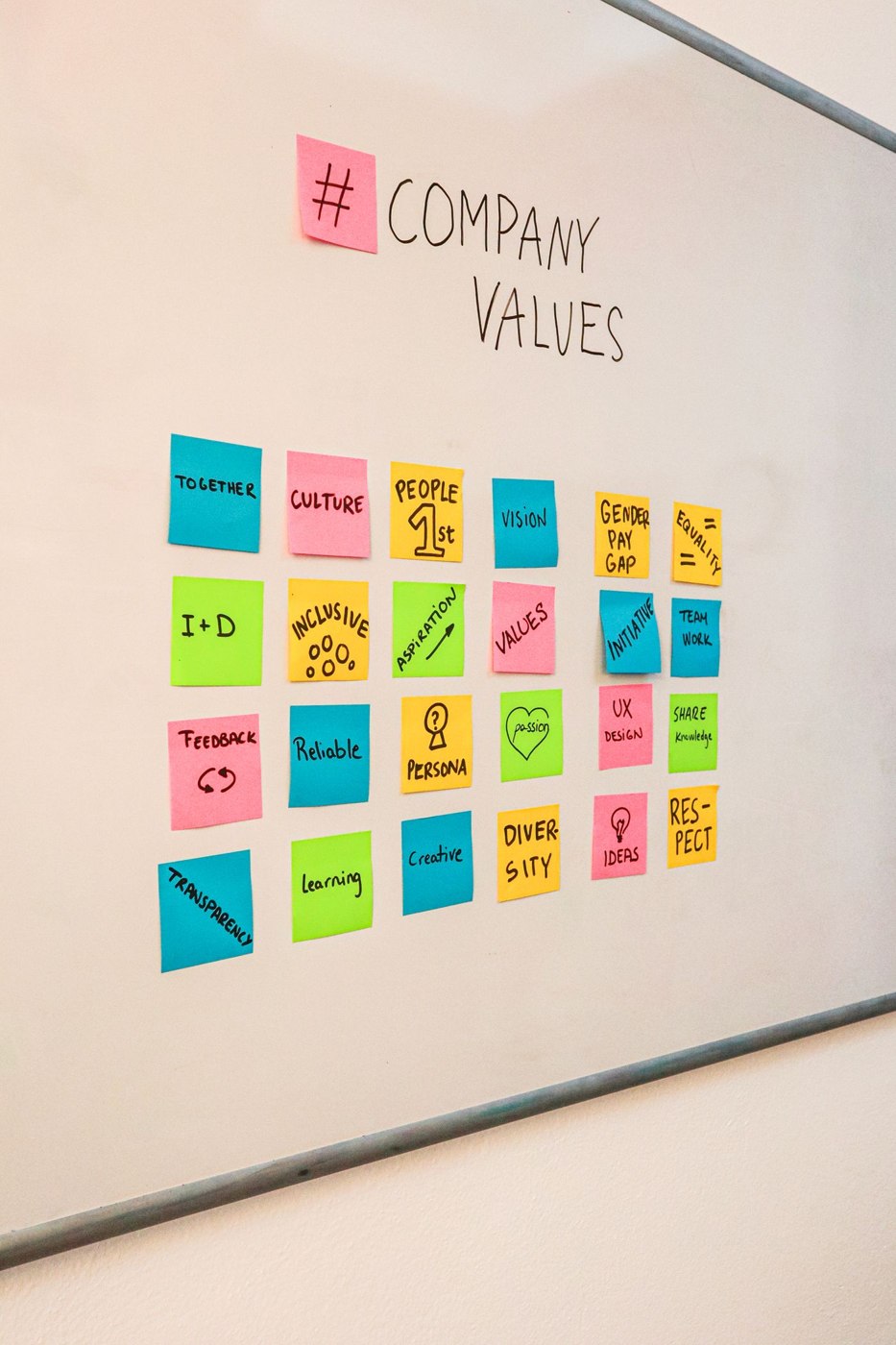
Brand communication
A slogan is an expression; a promise is an expectation the business must be able to meet.
Read article
Brand communication
Order the main claim, supporting reasons and evidence so a reader can understand the business before meeting every detail.
Read article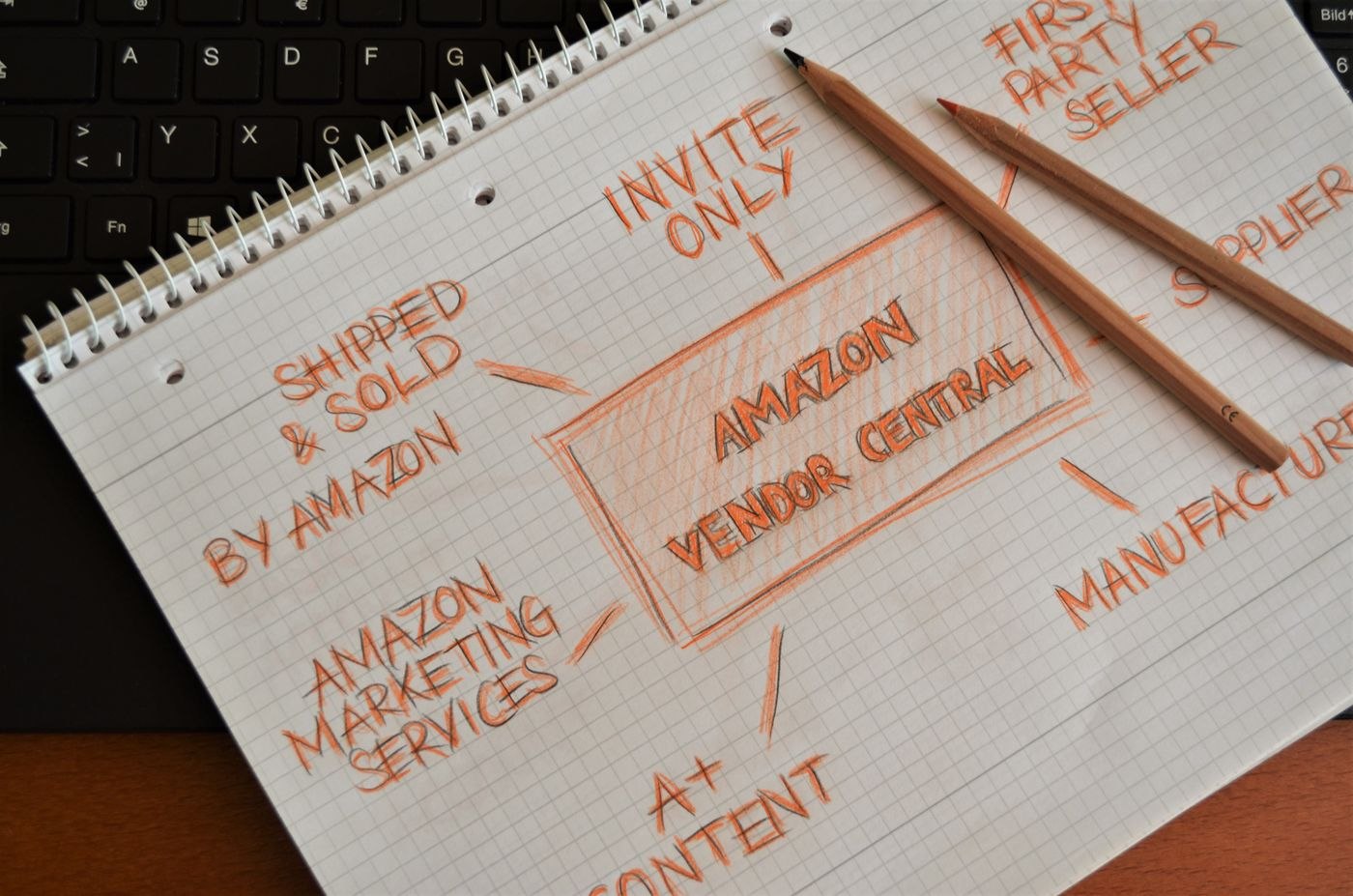
Brand communication
Replace broad benefits with a specific change in the customer's task, and show what produces that change.
Read article
Brand communication
A usable voice guide shows how language changes with the situation instead of handing writers a list of adjectives.
Read article
Brand communication
Customer language is a source of clarity, not a reason to copy every phrase or discard useful technical terms.
Read article
Brand communication
A short naming record can stop small variations from creating uncertainty about whether customers have found the right business.
Read article
Brand communication
Explain what the new name changes, what stays the same and how customers can recognise genuine communications.
Read article
Brand communication
Put the new amount, effective date and customer options ahead of language about investment or added value.
Read article
Brand communication
Describe the new offer in relation to existing services so customers can tell whether to switch, add it or ignore it.
Read article
Brand communication
A useful distinction describes a different fit or method without making unsupported claims about everyone else.
Read article
Brand communication
Replace praise with facts a reader can examine, while keeping every proof point within the claim it actually supports.
Read article
Brand communication
An About page can explain the present business, its people and its choices without manufacturing a dramatic beginning.
Read article
Brand communication
A one-page brief should preserve the decisions a writer or designer needs, not compress an entire brand strategy into tiny type.
Read article
Brand communication
Keep the underlying offer consistent while changing which questions you answer first for each audience.
Read article
Brand communication
Compare descriptions by meaning, then fix contradictions before worrying about small stylistic differences.
Read article
Brand communication
Use a founder's perspective where it adds explanation, while keeping the organisation's promises and processes bigger than one personality.
Read article
Brand communication
Demographics describe people; needs explain what they are trying to do in a particular situation.
Read article
Brand communication
Name the precise product, activity and period behind an environmental statement instead of treating a small change as a whole-brand verdict.
Read article
Brand communication
A partnership announcement should identify each organisation's contribution and the practical consequence for the customer.
Read article
Brand communication
A brand handover should preserve the reasons behind decisions as well as the files used to express them.
Read article
Brand communication
A launch becomes clearer when secondary ideas have another home instead of competing with the main announcement.
Read article
Content & copywriting
A project brief reduces avoidable revisions by making the intended result, constraints and unresolved questions visible before drafting begins.
Read article
Content & copywriting
Tell visitors what the page is about before asking a slogan to carry its personality.
Read article
Content & copywriting
Explain how a feature changes a task, but stop before turning a plausible benefit into an unsupported business result.
Read article
Content & copywriting
A button label should tell the reader what happens next, with any important commitment explained before the click.
Read article
Content & copywriting
Use the subject line to identify the message's purpose, not to create curiosity that the email cannot satisfy.
Read article
Content & copywriting
Shorten an email by removing unnecessary work for the reader, not by deleting the context needed to answer it.
Read article
Content & copywriting
Help a buyer compare scope, process and fit instead of surrounding the service name with claims about quality.
Read article
Content & copywriting
A focused landing page gives one audience enough information to make one relevant decision without removing necessary detail.
Read article
Content & copywriting
An FAQ should answer recurring uncertainties in the customer's language, not disguise another sales paragraph as a question.
Read article
Content & copywriting
Give buyers the specifications, use conditions and distinctions they need to decide whether a product fits their task.
Read article
Content & copywriting
Instructions become usable when they show the starting point, the action and the result a reader should recognise.
Read article
Content & copywriting
An introduction should establish the reader's problem and the article's useful contribution without a long approach to the subject.
Read article
Content & copywriting
A credible case study explains the situation, contribution and evidence without turning a complex result into a single heroic claim.
Read article
Content & copywriting
Edit quotations for presentation only when the meaning remains intact and the speaker has approved the use you intend.
Read article
Content & copywriting
Choose what the newsletter helps readers follow, then let that purpose determine what earns space in each issue.
Read article
Content & copywriting
Build a calendar from the work your team can complete, including review and maintenance, rather than from an ideal publishing frequency.
Read article
Content & copywriting
Choose an update when an existing page already serves the right question but its information or explanation no longer does.
Read article
Content & copywriting
Give a freelance writer the question, evidence and editorial boundaries they need without prescribing every sentence of the answer.
Read article
Content & copywriting
Captions explain an image to the page's readers; alt text supplies the relevant information or function when the image is not seen.
Read article
Content & copywriting
Help readers find the part they need through meaningful headings, compact paragraphs and visible decisions—not indiscriminate bold text.
Read article
Content & copywriting
Keep technical precision while removing vocabulary that adds status rather than meaning.
Read article
Content & copywriting
An invented example can teach a real principle as long as its status is clear and it does not masquerade as evidence.
Read article
Content & copywriting
Set the comparison criteria before judging the options, and explain which kind of buyer each option may suit.
Read article
Content & copywriting
Separate specialist review from the final publishing decision so a draft does not circulate indefinitely between competing approvals.
Read article
Content & copywriting
Resolve feedback by the purpose of the draft and the basis of each comment, not by trying to satisfy every preference at once.
Read article
Content & copywriting
A useful apology identifies what happened, recognises the consequence and explains the next step without disguising responsibility.
Read article
Content & copywriting
A compact style sheet keeps recurring spelling, naming and formatting decisions from being remade in every draft.
Read article
Content & copywriting
Cut copy when it repeats, delays or competes with the reader's task—not simply because the page looks long.
Read article
PR & media
An announcement matters to a newsroom when something changes for its readers—not simply because your business has something to say.
Read article
PR & media
Make the opening paragraph carry the verifiable development, then use the rest of the release to explain its significance and limits.
Read article
PR & media
A smaller list of journalists covering the right subject is more useful than a large spreadsheet of unrelated names.
Read article
PR & media
A pitch earns attention by connecting one concrete story to a journalist's actual coverage and making the next step easy.
Read article
PR & media
Interview preparation should help a spokesperson answer questions accurately, not memorise a speech that ignores them.
Read article
PR & media
State the boundary of your knowledge clearly, then distinguish what is known from what is still being checked.
Read article
PR & media
A fact sheet should let someone check the essentials quickly without extracting them from promotional language.
Read article
PR & media
Select photographs for the information they reveal, then supply accurate captions and clear usage information.
Read article
PR & media
A follow-up should offer useful new information or clarify timing, not repeatedly ask whether an email was received.
Read article
PR & media
An embargo is a timing arrangement to discuss in advance, not a label that automatically controls another person's publication.
Read article
PR & media
A holding statement gives people verified information and a useful next step while the fuller explanation is still being established.
Read article
PR & media
A correction should make the accurate information easy to identify and reach the people who may have relied on the earlier version.
Read article
PR & media
Internal and public audiences need compatible facts, but they do not always need the same level of operational detail.
Read article
PR & media
A modest launch can succeed by informing the right people clearly, without pretending that every new offer changes its industry.
Read article
PR & media
Coverage is useful evidence when you examine what was communicated, who it reached and what can genuinely be connected to an outcome.
Read article
PR & media
A useful comment explains a specific point in language that can stand alone without losing its meaning.
Read article
PR & media
A difficult-announcement Q and A should confront the questions people will actually ask, including those the organisation would rather avoid.
Read article
PR & media
A request for comment needs a prompt, realistic response plan, even when the full answer cannot be supplied immediately.
Read article
PR & media
A press page should help someone find current facts, contact the right person and distinguish recent announcements from the archive.
Read article
Social media
Choose a channel around audience behaviour and the work you can sustain, not around the pressure to appear everywhere.
Read article
Social media
One substantial idea can support several posts when each answers a different question rather than repeating the same teaser.
Read article
Social media
A caption can supply context, meaning or a next step that the photograph cannot communicate by itself.
Read article
Social media
Turn an article into a sequence of visual explanations, not a stack of screenshots containing the original paragraphs.
Read article
Social media
Moderation becomes more consistent when the team distinguishes disagreement, support requests and harmful behaviour before a difficult thread appears.
Read article
Social media
Acknowledge the issue publicly, then move account-specific information to a verified support route without making the customer repeat everything.
Read article
Social media
A content series needs a recognisable promise and enough editorial range to reward returning readers.
Read article
Social media
A demonstration brief should identify the task, the visible evidence and the point at which the viewer knows it is complete.
Read article
Social media
Readable subtitles require accurate wording, sensible line breaks and enough space around the action—not merely an automatic transcript.
Read article
Social media
Plan the evidence and framing each post needs before the camera comes out, while leaving room for genuine moments on the day.
Read article
Social media
Use a pinned post as an orientation point, not as a permanent place for an expired announcement.
Read article
Social media
Pause to assess relevance, tone and the audience's needs before letting scheduled content publish during a sensitive event.
Read article
Social media
Review social content against its purpose and production cost before deciding which numbers deserve attention.
Read article
Social media
Being seen and being useful are different outcomes; interpret reach alongside the actions and conversations that matter to the post.
Read article
Social media
A shared account handover needs editorial context, current commitments and a secure access process—not just a folder of scheduled graphics.
Read article
Social media
Before reusing a customer's image, video or words, establish what use they are agreeing to and whether other permissions need checking.
Read article
Social media
A creator brief should define the audience, factual boundaries and deliverables while leaving room for the creator's own communication style.
Read article
Social media
A live Q and A needs a clear scope, a way to handle unanswered questions and someone watching the audience while the speaker talks.
Read article
Social media
Repeated questions can reveal missing explanations, but comments need interpretation before they become an editorial plan.
Read article
Social media
A business change should trigger a review of profile details, pinned information and old links—not just a new announcement.
Read article
Social media
The destination should fulfil the post's promise immediately enough that the visitor does not have to search for the advertised information.
Read article
Social media
Archive the reasoning, final material and useful evidence so the next campaign can learn without reopening every old file.
Read article
Workplace communication
A meeting becomes useful after it ends, when everyone knows which decision was made, who owns the next action and what remains open.
Read article
Workplace communication
A client update should make the state of the work visible, including the part that is waiting on someone else.
Read article
Workplace communication
Useful feedback points to something observable in the work and explains why it matters for the intended result.
Read article
Workplace communication
A focused clarification identifies the uncertain part of a request and offers a way to resolve it without reopening everything.
Read article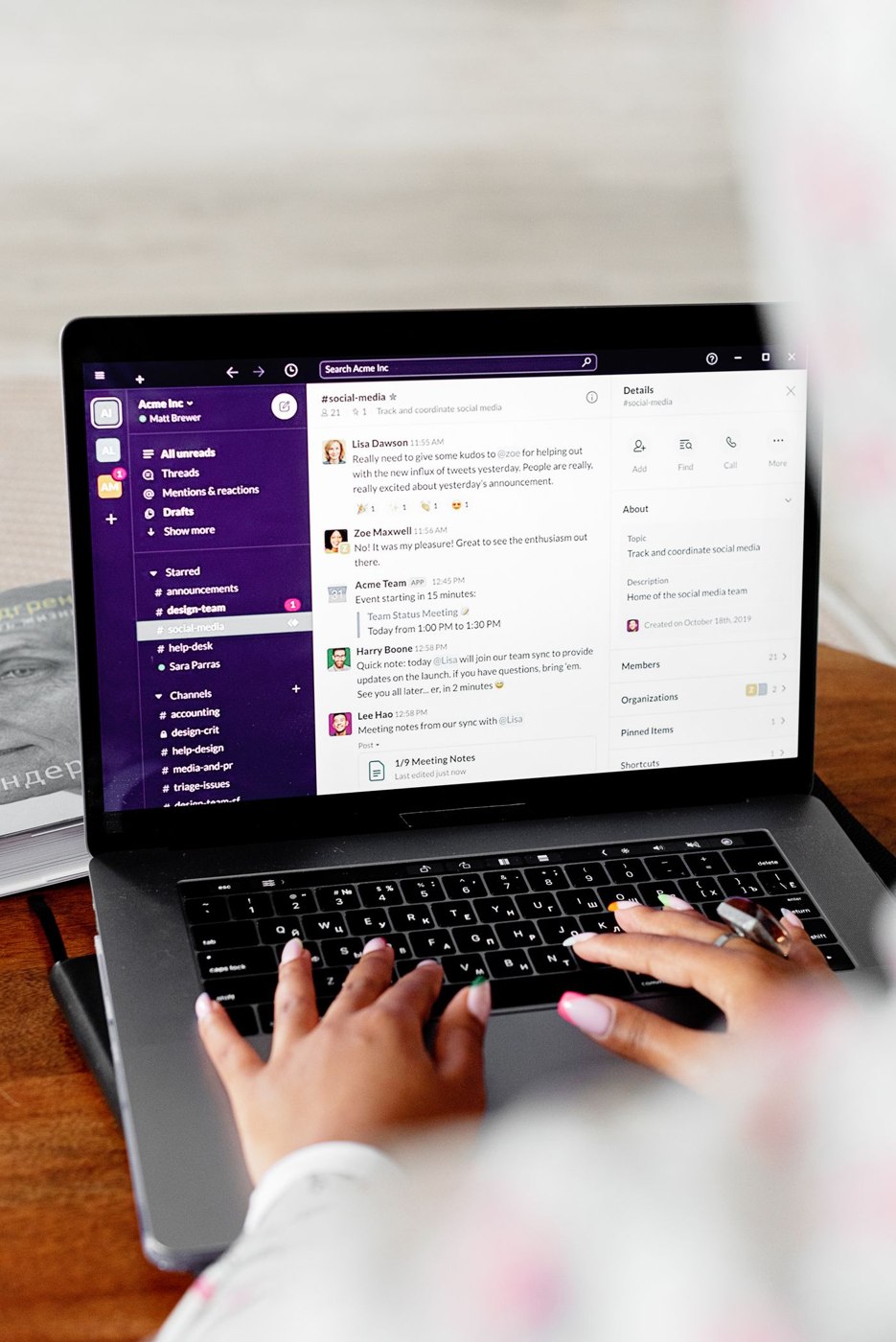
Workplace communication
An async update works when recipients can understand the situation and respond without needing the whole group in the same room.
Read article
Workplace communication
A handover should let the next person continue the work, not merely prove that documents were sent.
Read article
Workplace communication
A late delivery message needs an honest status, a bounded explanation and a next commitment you can support.
Read article
Workplace communication
Agree how quickly different messages need a response, rather than letting every email become an implied emergency.
Read article
Workplace communication
An agenda should tell people why they are meeting, what they need to prepare and which outcome the time is meant to produce.
Read article
Workplace communication
A new colleague needs to know why each introduction matters, not simply receive a list of names and job titles.
Read article
Workplace communication
A decision record preserves the choice, its context and the conditions that might justify changing it later.
Read article
Workplace communication
A request is easier to answer when it names the output, the responsible person and the reason the timing matters.
Read article
Workplace communication
A clear refusal can preserve a working relationship by explaining the boundary and, where possible, offering a workable alternative.
Read article
Workplace communication
A scope change should be understood as a choice with consequences, not discovered in a later invoice or missed deadline.
Read article
Workplace communication
Remote visibility comes from a reliable shared picture of the work, not from requiring everyone to keep announcing that they are busy.
Read article
Workplace communication
An executive summary is a shorter decision aid, not a compressed version of every section in the document.
Read article
Workplace communication
A session for creating options and a meeting for choosing between them need different preparation, participants and expectations.
Read article
Workplace communication
A time is only a shared commitment when everyone can identify the same moment and the same expected action.
Read article
Workplace communication
A kickoff conversation should establish how the work will proceed, not repeat a sales presentation after the project has already begun.
Read article
Workplace communication
A process guide should preserve the decisions and checks that matter, while leaving room for minor interface changes.
Read article
Workplace communication
Choose a channel that supports privacy, clarity and an appropriate response—not simply the one that is quickest to open.
Read article
Workplace communication
An escalation should help the next person resolve a blockage by showing the impact, the attempts already made and the decision now needed.
Read article
Workplace communication
Closing a project means transferring the finished work, its status and the information needed to use it after the project team moves on.
Read article
Workplace communication
A glossary is useful when it resolves recurring ambiguity, not when it becomes a dictionary of every word the organisation uses.
Read article
Workplace communication
A weekly update should help colleagues coordinate the next week, rather than document every task completed in the last one.
Read article
Tools & workflows
The useful writing tool is the one that carries a draft through review and publication with the least avoidable friction.
Read article
Tools & workflows
A content inventory should help you decide what to keep, change or retire—not merely count how many pages exist.
Read article
Tools & workflows
A naming convention earns its place when people can identify a file without opening several almost identical copies.
Read article
Tools & workflows
A small, structured trial reveals collaboration problems that a feature checklist and sales demonstration may miss.
Read article
Tools & workflows
Start with the messages, audience and operating constraints you actually have before comparing email marketing platforms.
Read article
Tools & workflows
The calendar should show the publishing commitment; it does not need to become a second home for every draft, conversation and task.
Read article
Tools & workflows
A saved revision tells you what changed. An approval record tells you what somebody authorised. Those are different facts.
Read article
Tools & workflows
A review checklist should catch predictable omissions at the right moment without turning every document into a form-filling exercise.
Read article
Tools & workflows
For spoken business video, understandable sound and a repeatable setup matter more than an impressive list of equipment.
Read article
Tools & workflows
A shared image library needs enough information to find and use the right asset—not a folder containing every picture anyone has downloaded.
Read article
Tools & workflows
A spreadsheet is often enough when the work has clear rows, a manageable number of editors and rules people can explain.
Read article
Tools & workflows
A scorecard makes software comparisons explicit, but its numbers are only useful when they represent observed evidence and agreed priorities.
Read article
Tools & workflows
Moving to shared documents changes where people work and how they know a file is ready; sending a new link alone does not establish the habit.
Read article
Tools & workflows
AI can help reshape language, but a fluent draft is not evidence. Keep the factual responsibility with a named human reviewer.
Read article
Tools & workflows
A tool migration succeeds when people can continue their work and retrieve the records they still need—not simply when the new account is active.
Read article
Tools & workflows
A publishing checklist should test the page readers will receive, not merely confirm that the draft passed an earlier review.
Read article
Tools & workflows
Reduce interruptions by deciding which messages require immediate attention and where decisions will remain available after the alert disappears.
Read articleNo articles match this search. Try another phrase or choose a different topic.