Workplace communication
Choose an async update instead of a meeting
An async update works when recipients can understand the situation and respond without needing the whole group in the same room.
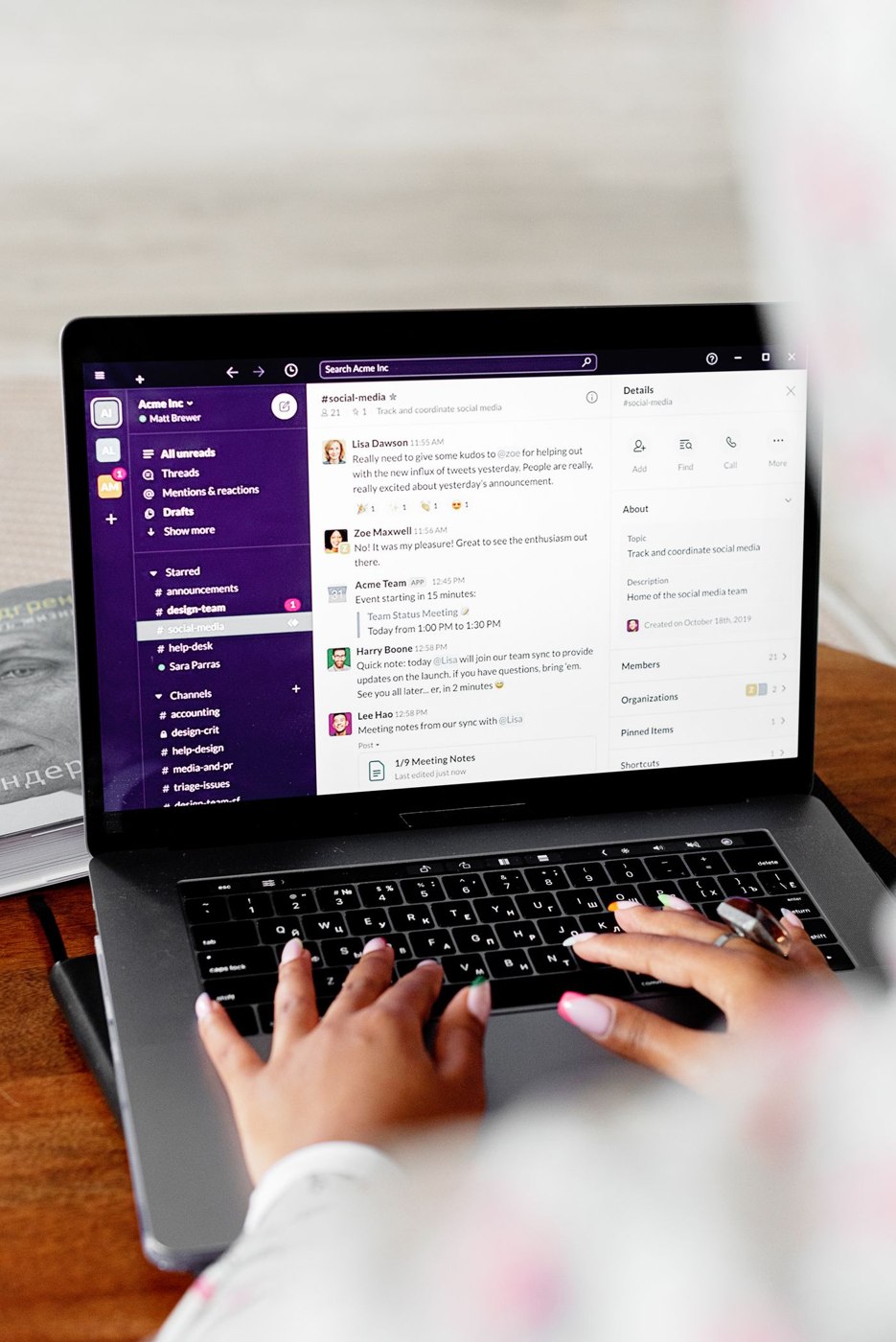
Before sending a meeting invitation, identify the exchange you need. If the purpose is to tell people what happened, a written update may be enough. If the group must negotiate a trade-off, surface an unresolved disagreement or build something together, a conversation may be more useful. The distinction is about the work, not a general preference for fewer meetings.
A useful asynchronous update contains enough context for someone to read it later. ‘Same issue as yesterday’ assumes a shared memory that may not exist. Link to the relevant decision or document, explain what changed and say whether the reader needs to respond. People should not have to attend an earlier conversation to understand the note.
Make the response contract explicit
Separate an update for information from a request for a decision. Label the latter with the decision required, the person responsible and the date by which it is needed. If the request is open to several people, explain how their responses will be combined. Otherwise each recipient may assume someone else will answer.
A hypothetical update might say: ‘The draft schedule now includes the supplier's revised delivery date. No action is needed from the wider team. Priya: please confirm whether the Thursday review still works by Tuesday afternoon.’ The wider group receives context without being invited into an unnecessary round of acknowledgements.
Keep the core message in a place the team already checks. A new tool introduced solely to avoid a meeting can create another inbox. If the detailed work lives in a document, the update should point to it rather than reproduce several potentially conflicting copies.
Recognise when writing stops helping
Repeated clarification replies are a signal that the issue may not be ready for an async decision. So are incompatible interpretations of the same facts. Switch to a short conversation when it would resolve the ambiguity, but carry the written context into that meeting. Do not make everyone start from the beginning.
Time zones matter too. A message sent late in one person's day should not be treated as an immediate request simply because another person is online. Give a response window that accounts for the working pattern you have agreed. For genuinely urgent issues, use the team's established escalation route rather than adding more punctuation to an ordinary update.
When a decision emerges, summarise it in the same thread or record where the question began. Readers arriving later need to see the outcome, not just the debate. An async habit succeeds when it makes work easier to follow; it fails when it replaces one meeting with a scattered trail of messages.