Brand communication
Make a tone of voice usable by colleagues
A usable voice guide shows how language changes with the situation instead of handing writers a list of adjectives.
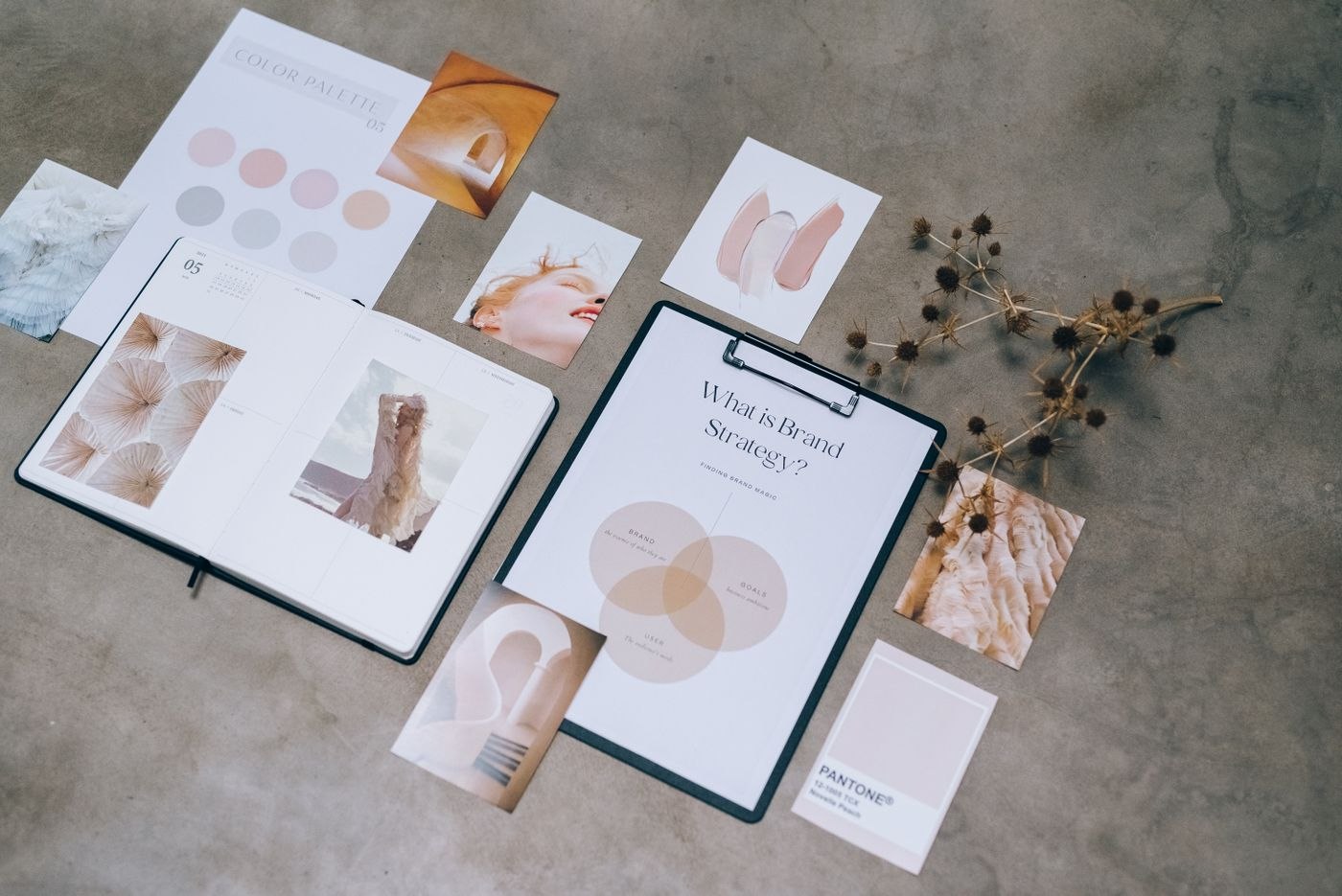
‘Warm, confident and human’ sounds like a sensible tone of voice until three colleagues interpret it in three different ways. One adds jokes, another removes all qualifications and a third writes every message as a personal letter. Adjectives can start a discussion, but examples and boundaries make the guidance usable.
Choose situations before personality words
Collect short examples of the communication people actually write: a service introduction, a delayed delivery message, a technical explanation and a reply to a complaint. Ask what the reader needs from each. The same organisation can be welcoming in an introduction and restrained when explaining a problem without becoming inconsistent.
For each situation, identify a language decision. Should the writer name the problem in the first sentence? Explain an unfamiliar term before using it? Address the reader directly? These choices can be demonstrated. ‘Be approachable’ cannot be checked with the same precision.
Show an edit and its reason
Consider this invented line: ‘We regret any inconvenience that may have been experienced.’ A clearer revision is: ‘Your appointment was cancelled at short notice. We are sorry for the disruption.’ The improvement is not simply that the second version is friendlier. It names what happened and avoids making the customer's experience sound hypothetical.
Pair examples with a short explanation, including when the revision would not fit. The appointment wording should not be copied into a situation where no cancellation occurred. A guide should teach decisions rather than provide sentences to paste indiscriminately. Include a few examples from your own approved material once the facts and permissions are checked.
Define limits
If the voice is conversational, say whether contractions are acceptable and where informality stops. If it is confident, explain that confidence does not permit unsupported certainty. If humour is part of the brand, identify situations where it would distract from the reader's problem. These boundaries prevent a desirable trait from becoming an excuse for poor judgement.
Keep factual and specialist language intact when changing tone. A writer should not replace a precise service condition with a reassuring phrase that changes its meaning. The guide can explain how to introduce a technical term in plain language while retaining the term where it is necessary.
Test the document with someone who did not help write it. Give them an ordinary draft to revise and ask which parts of the guide they used. If they cannot find an applicable example, add one. If two rules contradict each other, resolve the conflict in the guide rather than expecting every writer to improvise. A short, tested set of decisions is more useful than a polished brand manifesto that stays unopened.
Compare judgement, not imitation
Try a short calibration exercise with two colleagues. Give both the same factual material and ask for a customer update. Compare where their versions differ: the opening fact, the amount of context, the level of formality and the description of the next step. Discuss which differences matter to the reader. The aim is not to make both writers produce identical sentences, but to establish shared standards for the decisions that affect meaning.
Keep a small collection of successful examples alongside the guide, with notes about the situation each served. Replace examples that rely on obsolete service details. Over time, this collection can teach more than an expanding list of prohibitions. It also gives a new colleague permission to adapt: an example is a demonstration of judgement, not a script that must be repeated word for word in every context.