Social media
Prepare a live question and answer session
A live Q and A needs a clear scope, a way to handle unanswered questions and someone watching the audience while the speaker talks.
Going live does not automatically create a useful conversation. People need to know what questions the session can answer, and the speaker needs a process for questions that are unclear, private or outside their knowledge. Preparation should support a genuine exchange rather than fill the session with disguised promotional questions.
Define the scope in the invitation
State the subject, who will answer and what the session is not intended to cover. A hypothetical discussion about preparing a project brief could address examples and common ambiguities, but it should not promise tailored advice on every participant's confidential project. Give the date and time zone clearly and explain whether a recording is expected to be available.
Collect advance questions where useful, but label prepared examples honestly. Do not invent audience names or pretend a planned question was submitted. Group similar questions so the session does not repeat itself, while retaining the distinction when two questions involve genuinely different circumstances.
Give the moderator a separate job
A moderator can watch incoming questions, identify repeated themes and flag problems while the speaker concentrates on answering. Agree how they will signal time, ask for clarification and move away from private details. The moderator should not simply filter out every difficult question; challenge can be part of a useful discussion.
Prepare language for uncertainty. ‘I cannot confirm that from the information available here’ is better than improvising a confident answer. Explain how a factual follow-up will be provided where appropriate, without promising individual consultations the team cannot deliver. If a participant posts personal information, follow the account's moderation process rather than reading it aloud.
Test the practical sequence
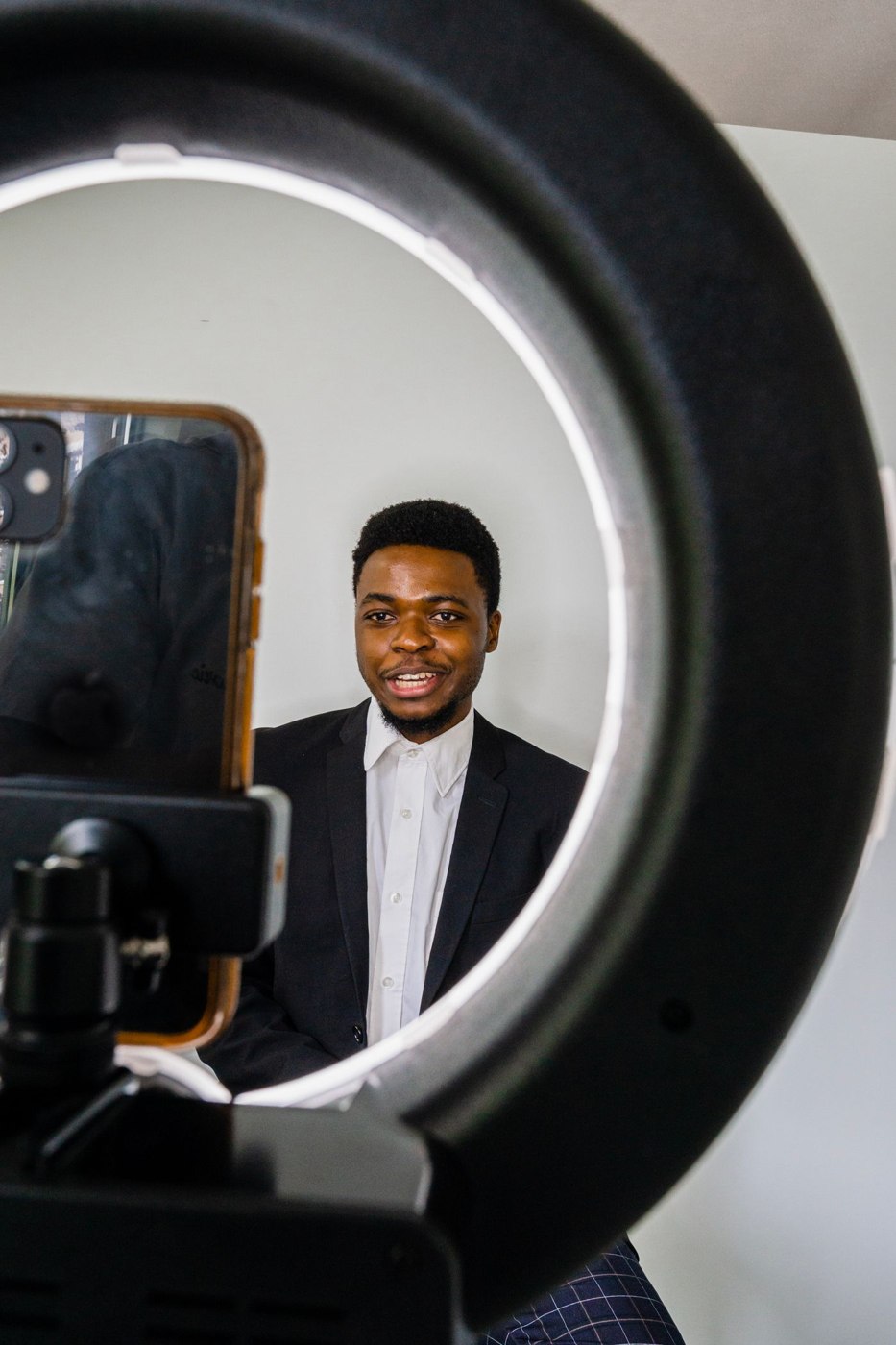
Check sound, connection, lighting and how questions will be seen by the speaker. Rehearse opening the session, switching between speakers and ending it. Prepare a simple plan for a connection failure so the audience is not left guessing whether to wait or return later.
Prepare a small set of fallback questions in case the live audience is quiet, and introduce them as questions the team prepared. They should advance the stated topic rather than imitate enthusiastic testimonials. A quiet opening does not justify fabricating participation. The speaker can use the time to explain a concrete example and invite specific follow-up questions.
If a difficult question cannot be answered within the session, distinguish whether it is outside scope, needs factual checking or belongs in an individual support conversation. Each reason leads to a different next step. Saying only ‘we will take that offline’ can sound like avoidance when the audience reasonably expects a general answer. Explain the boundary and provide the appropriate route.
Review any excerpts selected for later use in their shortened form. Removing the question can change the apparent meaning of the answer, especially when it contains a qualification such as ‘in this case’. Preserve enough context for the clip to remain accurate, even if that makes it less dramatic.
Afterwards, publish any promised follow-up and correct material errors in a visible way appropriate to the recording. A short summary of the principal questions may be more useful than a promotional highlights reel. Note which subjects need a fuller article rather than trying to make every answer fit a live format. The session's value lies in what people can understand afterwards, not merely in having broadcast it.