Brand communication
Present sustainability claims with specific boundaries
Name the precise product, activity and period behind an environmental statement instead of treating a small change as a whole-brand verdict.
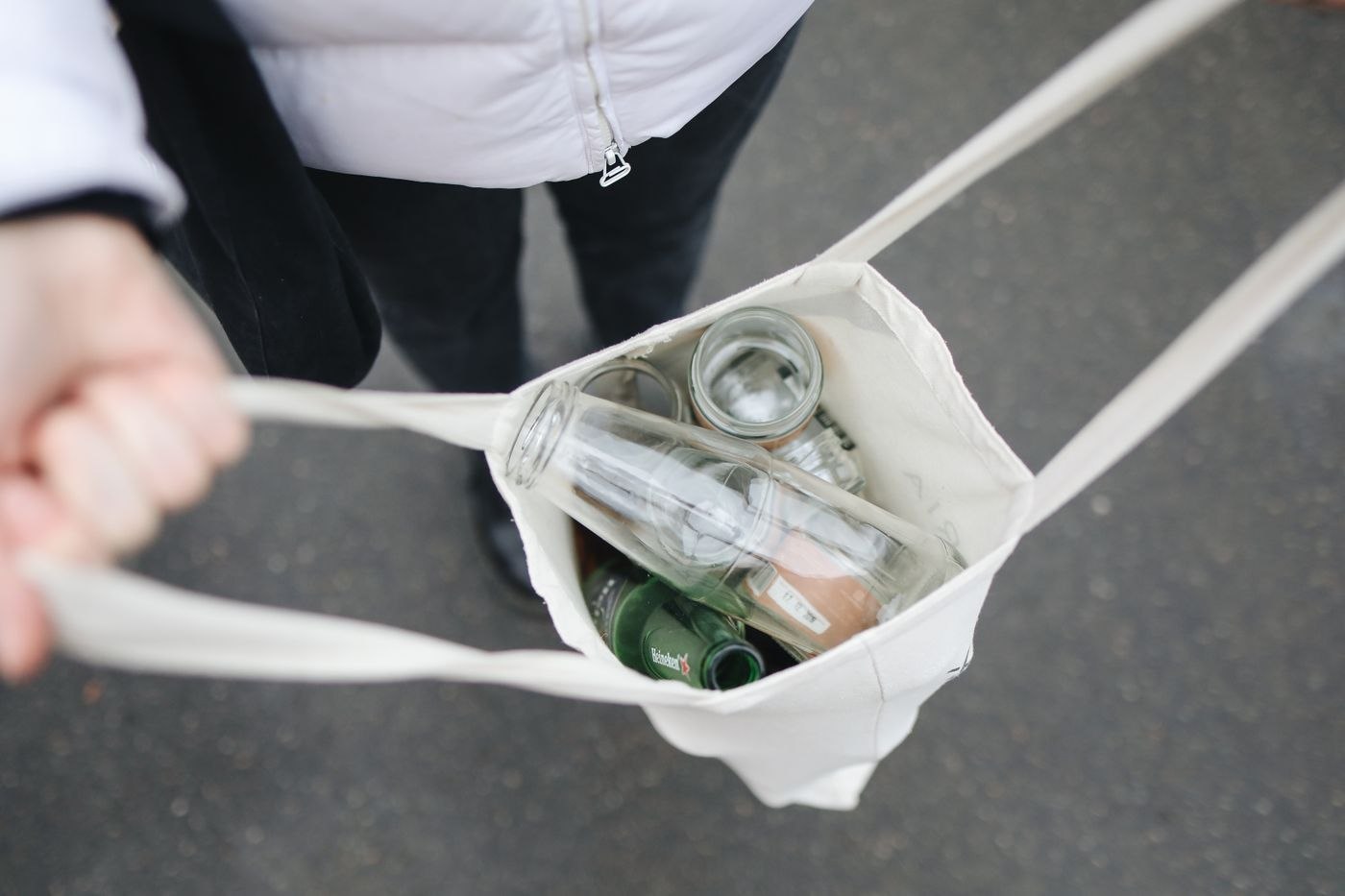
‘A greener business’ leaves a reader to guess what changed. Packaging, energy use, delivery and product durability are different subjects. Before writing an environmental message, identify exactly which subject the available evidence addresses. If the evidence concerns one package, the headline should not silently expand to the entire company.
Make a claim card before writing the headline
As an editorial exercise, put the proposed statement on a separate sheet with the object it describes, the comparison being made, the relevant period and the evidence location. Ask the person supplying the information to fill any gaps. This is a way to expose unanswered questions, not a certification process or a substitute for specialist review.
For example, an imaginary stationery business might have changed the material in one envelope range. A writer should ask which range, which component and which production period the documentation covers. The phrase ‘our packaging’ may be too broad if boxes, labels and protective inserts are unchanged. Avoid supplying a percentage or environmental benefit simply because it would make the story more striking.
Check the overall impression
The UK's Competition and Markets Authority says environmental claims should be accurate, clear, supported and fairly compared, with relevant information included and the product's life cycle considered. Its guidance also treats imagery and presentation as part of the impression. These principles are a reason to examine the whole message rather than only its smallest qualification. Consult the official guidance and applicable current rules for your market; this article is about editorial preparation, not a legal approval.
Read the headline beside the image and caption. A broad landscape photograph and a sweeping slogan may communicate more than a narrow factual sentence below them. Ask an uninvolved reader what they think the company is claiming. If their interpretation goes beyond the evidence, revise the presentation rather than relying on a distant note to repair it.
Keep the story at its actual scale
A limited improvement can still be worth explaining. Describe the change, what prompted it and what remains outside it, using verified information. You do not have to turn it into a declaration that the whole business is sustainable. Equally, do not let the desire for a positive announcement conceal a relevant drawback that changes the meaning.
When an evidence document changes or a product range is replaced, revisit the public wording. Keep the working claim card with the draft so another writer can see which questions were resolved and which were not. If a material point remains uncertain, postpone or narrow the statement. Copy should reflect the available evidence rather than create a larger story for it.
A useful editorial test is to ask a colleague to explain the announcement without looking at the draft. Write down the nouns they use. Do they describe the same product component as the evidence, or have they shifted to the company, the entire range or the customer's overall impact? This paraphrase exercise is not a compliance test. It is a way to spot an expansion of meaning that the writer may have overlooked through familiarity with the intended message.
Check smaller versions of the message separately. A social caption or email subject can lose the boundary that made the longer explanation precise. Do not assume that linking to the detailed article repairs an overbroad standalone statement. Write each short version around the same limited fact, and abandon a dramatic headline when it cannot carry the necessary distinction honestly.