Tools & workflows
Set up a shared editorial calendar without duplicate work
The calendar should show the publishing commitment; it does not need to become a second home for every draft, conversation and task.
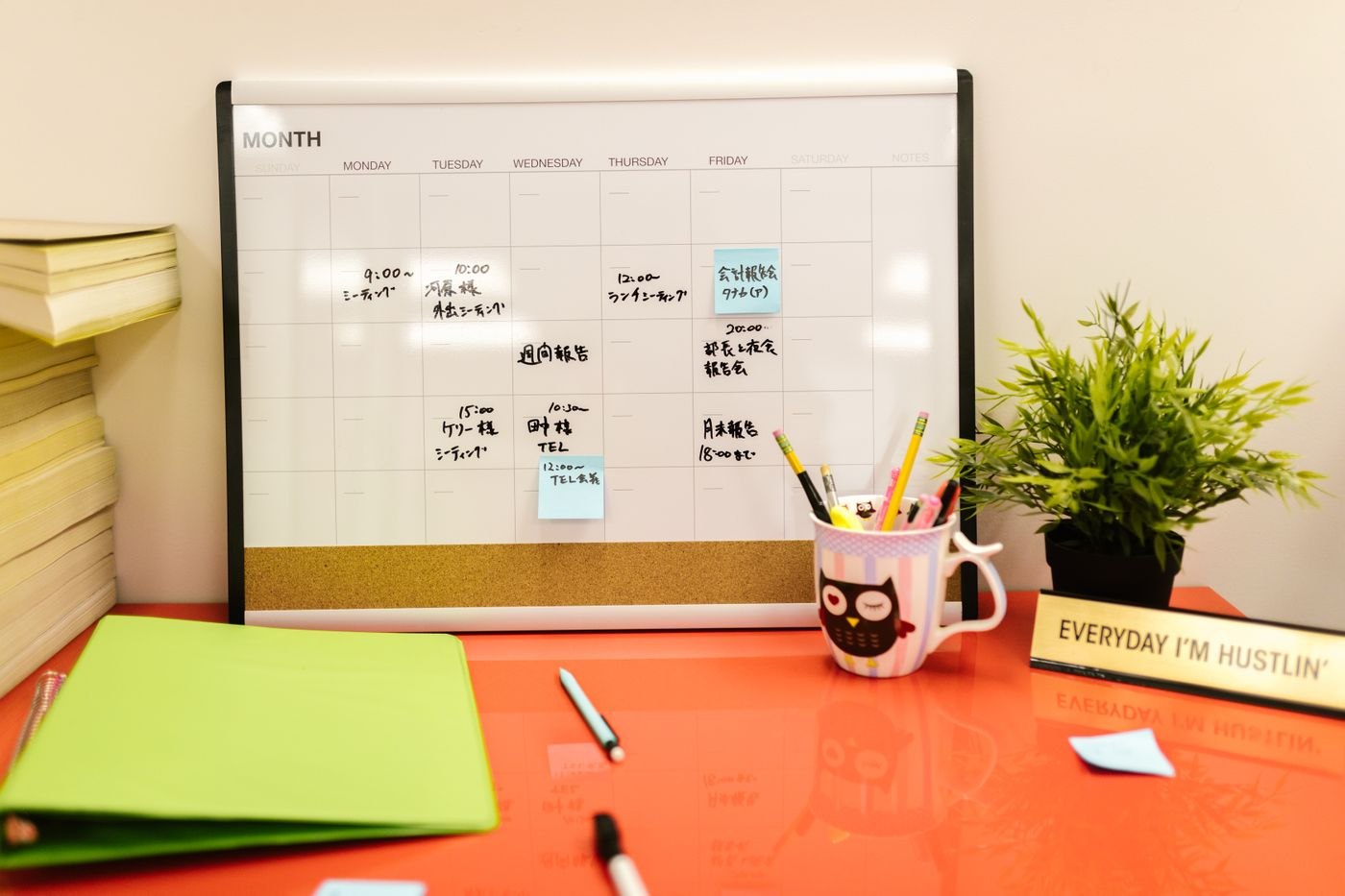
A shared editorial calendar often begins as a helpful list and slowly becomes a duplicate project-management system. Writers update one deadline in a task board, editors update another in the calendar, and the publishing date in the draft changes again. The problem is not a shortage of fields. It is a lack of agreement about which place owns each fact.
Give the calendar one job
Decide whether it is primarily a view of planned publication or a record of production work. For many small teams, publication is the clearer purpose. Each entry identifies the item, intended audience, publication destination, planned date and accountable owner. A link leads to the working document or task record. The calendar does not copy the entire brief.
Separate a tentative slot from an agreed commitment. In a hypothetical quarterly plan, a draft interview might be pencilled in for June, but the date should not appear confirmed before the contributor agrees to participate. A simple status or label prevents a provisional idea from being mistaken for a promise to the rest of the organisation.
Choose one owner for the publication date. If production is delayed, that person updates the maintained entry and alerts the people affected. Avoid allowing every participant to keep a private ‘correct’ version. If another tool displays the date, establish whether it is a live view or a manually maintained copy and test the behaviour.
Plan with the work behind the date
A calendar containing twelve ambitious items in one week can look complete while being impossible to deliver. Before accepting a slot, estimate the necessary research, creation, review and preparation. Note the scarce contributor or dependency that could block the work. You do not need to turn every estimate into a public deadline, but somebody must check that the plan fits the available time.
Review the next small period in detail and the later period more lightly. Confirm that upcoming items have owners, usable briefs and a realistic review route. Move or remove items that lack these foundations rather than keeping them in the calendar as optimistic placeholders. Keep an idea list separate so that removing a commitment does not mean losing a promising topic.
After publication, replace the draft link with or add the live address, and record any follow-up that genuinely matters. Do not require a second summary of information already held elsewhere. The calendar succeeds when colleagues can answer ‘What is coming, where will it appear and who is responsible?’ without reconciling several competing schedules.